
When Should You Check Your Yard for Drainage Problems in Glendale, AZ?
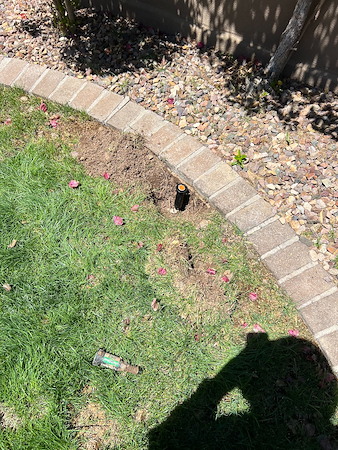
If you have yard drainage problems in Glendale, AZ, timing is everything. Our desert soils and seasonal storms can turn a small puddle into a persistent issue that stresses plants and threatens your home. For quick guidance and local support, start with yard drainage problems in Glendale, AZ and how Living Waters Landscape Irrigation and Lighting Service & Repair helps you stay ahead of trouble.
Why Timing Matters For Yard Drainage In Glendale
Glendale weather runs hot and dry for much of the year, then hits fast with summer monsoon bursts. Those downpours can overwhelm compacted or caliche-heavy soils that drain slowly. Neighborhoods like Arrowhead Ranch and Arrowhead Lakes also blend turf, decorative rock, and hardscape, which affects where water goes after a storm or an irrigation cycle. Waiting to check for problems until you see muddy footprints by the back door is risky. Early checks give you options before the next cell rolls through.
Key Moments To Inspect Your Yard For Drainage Problems
Build these checkpoints into your calendar so you find issues before they spread:
- Late June through September: right before and right after the first strong monsoon storms.
- After any single downpour that leaves puddles longer than a day.
- January to February: during winter rains when cooler temps keep soil wetter.
- After landscape changes like new pavers, turf, trees, or a pool equipment pad.
- When your water bill jumps without an obvious reason.
- At the end of a hot spell if you increased run times on your irrigation controller.
If you notice recurring soggy spots or a valve box that never dries, have a pro check for leaks or runoff patterns that are easy to miss. If a leak is suspected, schedule focused irrigation repair so the source is fixed before it erodes soil or attracts pests.
Local insight: Monsoon microbursts can push water toward the side yard between homes, especially on lots near shared block walls. If you ever see pooling along the stem wall after a storm, treat it as urgent and have it evaluated before the next round of rain. Standing water against masonry is more than a nuisance. It can undermine soil and invite settlement over time.
Local Warning Signs You Should Never Ignore
Drainage trouble often shows up in small ways first. Watch for these Glendale-specific clues:
- Water that lingers along the foundation, patio edges, or around the pool equipment slab.
- Grass that feels spongy in a strip or mushrooms popping up where you do not irrigate much.
- Gravel washed over drip lines after a storm in desert-style areas.
- Valve boxes that stay damp or show silt, even days after watering.
- Settling at the base of a block wall or gaps opening along walkway borders.
- In historic flood-irrigated pockets near downtown Glendale: berms that breach or water that fails to recede evenly into yard areas.
Any of these hints can point to poor grading, compacted caliche that resists infiltration, or an irrigation leak masking itself as “rain left behind.”
How Irrigation Issues And Drainage Problems Overlap
Not every puddle comes from rain. A weeping valve, cracked lateral line, or clogged emitter can dump water into the same low spot day after day. In neighborhoods near Thunderbird Conservation Park, shallow bedrock and hardpan can make that water travel sideways before it surfaces, which complicates what you see on top. A skilled tech will test pressure, isolate zones, and trace patterns that link soggy turf to a hidden component. If you suspect the issue sits inside the system, book troubleshooting for irrigation systems to pinpoint the cause without guesswork.
Important: Do not ignore running water sounds or constant dampness in and around a valve box. What looks like minor seepage can wash out soil and create voids under pavers.
Neighborhood Clues Across Glendale
Every part of the city has its quirks. Arrowhead Lakes lots handle roof runoff and lake edges together, so surface flow needs safe places to go. Westgate-area homes with more paving can shed water toward small planters and side yards. Lots near Sahuaro Ranch often mix mature trees with flood irrigation history. In many of these settings, slow-draining soils and tight setbacks can trap water near a structure. Recognizing those patterns helps you decide when to schedule an assessment, especially before the heart of monsoon season.
When A Quick Check Becomes A Priority
These situations call for a faster look from a professional:
Persistent damp soil against the foundation: This is the biggest red flag. Water against stem walls should be addressed right away to protect your home. New hardscape that changed flow: Even a small patio or walkway can redirect water toward planting beds or the side yard. Recurring standing water in yard: If a puddle outlasts a hot Glendale afternoon, the soil may not be percolating well or water may be trapped by grading.
For related reading on early symptoms and what pros look for, skim this short article: signs your irrigation system needs professional repair. It explains the overlap between irrigation faults and water that keeps appearing where it should not.
What A Professional Drainage-Focused Inspection Includes
Homeowners do not need to guess. A thorough evaluation typically covers three areas:
Site and soil review: Identify low points, compacted zones, and any caliche layers that slow infiltration. Runoff pathways: Confirm how water moves from roofs, downspouts, patios, and driveways, then note where it collects. Irrigation integrity: Test zones, valves, and backflow to rule out hidden leaks that make pooling worse.
Your report should be clear and practical. Expect plain-language findings, photos where helpful, and options that match your yard’s layout and Glendale’s climate. If irrigation is part of the problem, addressing it with targeted irrigation repair keeps the rest of your landscape plan on track.
Seasonal Game Plan For Glendale Homeowners
Use the city’s rhythms to your advantage. Before the first July storms, make sure water has a safe path away from the house. After major cells, walk the yard the next morning. In winter, cooler soil temperatures can hide slow drainage because evaporation is lower. If you live near the Peoria border or along the 101 corridor where winds can drift rock and debris, check desert beds for gravel mounds that cover drip lines and trap water.
Keep an eye on these simple indicators over the year:
- Is water consistently touching the foundation after storms or irrigation cycles?
- Do the same low spots stay wet while nearby areas are dry?
- Did a new project change how water travels across your yard?
Protect Your Foundation And Landscape Investment
Unchecked pooling risks more than muddy shoes. It can undermine patios, stain hardscape, and stress plant roots. In Glendale’s heat, problems escalate quickly because repeated irrigation cycles add to whatever rain left behind. A small fix early can prevent bigger disruptions during the next monsoon week. If your landscape includes older features near Sahuaro Ranch or newer builds in north Glendale, give extra attention to side yards where space is tight and grading can nudge water toward your home.
Get Fast Help With Drainage Concerns In Glendale
When you suspect a drainage or irrigation-related issue, bring in a local team that knows the soil and storm patterns. Living Waters Landscape Irrigation and Lighting Service & Repair serves Glendale homeowners with clear assessments and reliable solutions that put water where it belongs. To talk with a specialist, call 480-526-3221. If an irrigation fault is making pooling worse, our technicians can handle precise irrigation repair so your yard dries out as intended and your foundation stays protected.