
Summer Watering Schedule: How Often Should You Run Your Sprinklers?
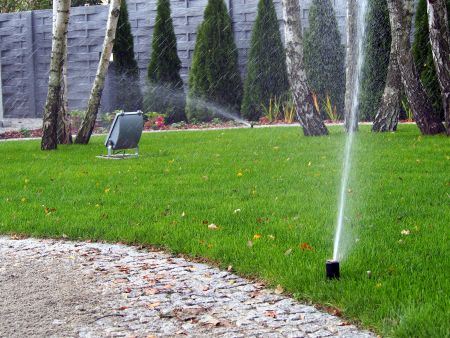
Scottsdale summers are hot, sunny, and dry, so your landscape needs a smart plan to stay healthy without wasting water. This guide explains a practical summer watering schedule for local lawns, trees, and desert plants, and when to bring in professional help for irrigation installation. If you have wondered about a summer watering schedule in Scottsdale AZ, you are in the right place.
Every property is different. Soil type, sun exposure, plant mix, and water pressure each change how long and how often zones should run. A well-tuned system protects your landscape, saves water, and supports Scottsdale’s desert environment.
Why Schedules Matter In Scottsdale AZ
June through September brings long stretches near triple digits. Low humidity pulls moisture from soil and leaves quickly, then sudden monsoon bursts can flood shallow roots if cycles run too long afterward. Neighborhoods from McCormick Ranch and Old Town to Grayhawk and DC Ranch all share the same challenge: hydrate deeply enough to reach the roots, while avoiding runoff and waste.
Healthy turf and shrubs recover faster from heat stress when watering cycles match plant needs. Efficient scheduling also helps prevent weeds, fungus, and hard water staining on sidewalks and stucco.
How Often Should You Run Your Sprinklers In Scottsdale AZ?
There is no single number that fits every yard, but patterns do emerge across the Valley. Think in terms of frequency and depth rather than daily sprinkling. Daily light watering leaves roots shallow and weak. Deeper moisture, less often, creates resilience.
- Warm-season lawns: Many Scottsdale hybrid Bermuda lawns thrive with deep irrigation several times per week in peak heat, with rest days in between so roots can breathe.
- Desert shrubs and perennials: Longer soaks less often keep roots strong. Timing varies with plant maturity, soil, and exposure.
- Trees: Mature desert trees generally prefer deeper, occasional watering that reaches the entire root zone rather than brief daily sprays.
These ranges still depend on soil texture, sun, slope, and the spray or drip style in each zone. A technician can measure output and match runtimes so water reaches the root zone without pooling.
Key Factors That Change Your Schedule
Soil And Infiltration
Sandy pockets around washes absorb fast, while compacted or clay-leaning soils around older subdivisions absorb slowly. If water sits on top or runs into the street, the cycle is too long for that soil. Runoff is a sign of waste and plant stress, not success.
Sun, Shade, And Wind
South and west exposures bake through late afternoon. Shaded zones under mature mesquites or near walls often need less frequent watering. Windy corners near open desert lose moisture faster.
Sprinkler vs. Drip Delivery
Spray heads apply water quickly across turf. Drip lines deliver small amounts right at the roots for shrubs and trees. Matching runtime to the device prevents puddling on grass and ensures shrubs get steady moisture without overspray.
Best Time Of Day For Efficient Watering
Early morning before sunrise is the sweet spot. Cooler air, lighter wind, and lower evaporation help water reach the roots. Evening cycles can linger on leaves overnight and may invite disease on dense turf, especially in humid monsoon weeks.
Monsoon Season Adjustments
Scottsdale’s monsoon can flip from blazing sun to a downpour in minutes. Schedules that work in June may waste water in late July and August if they ignore rainfall. Smart controllers with rain skip or soil-moisture features help, but only if zones are set up correctly.
Pause or reduce cycles after measurable rain and let the soil drain before resuming normal rhythm. If you see standing water 24 hours later, a tech should evaluate runtimes and infiltration rates.
How To Tell If Your Schedule Needs Work
- Underwatered turf folds, turns bluish-gray, and resists footprints late in the day.
- Overwatered areas grow mushrooms, feel spongy, or show algae on curbs and walkways.
- Desert shrubs with pale or drooping new growth may be water-stressed, while yellowing lower leaves and persistent wet soil point to excess.
Hardscape staining, heaving pavers, and erosion at the base of slopes are additional red flags. Any of these signs call for a professional audit to tune runtimes and zone frequency.
Matching Schedules To Landscape Zones
Lawns In Full Sun
Warm-season turf wants a deep soak that reaches several inches down. Instead of daily misting, aim for moisture that lasts through hot afternoons. Deep, infrequent watering builds stronger roots than frequent light cycles, especially in open areas like Kierland or DC Ranch where afternoon heat is intense.
Mixed Beds And Parkways
Strips along driveways and sidewalks heat up quickly, while nearby shrubs sit in cooler soil under canopy shade. These zones rarely share the same need. A pro can separate timing so turf receives a stronger soak and ornamentals get measured drip that limits weeds.
Trees And Desert Natives
Mature trees extend roots well beyond the canopy. Effective watering reaches the outer root zone, not only the trunk. For palo verde, ironwood, and mesquite, deeper moisture less often encourages stability against wind and summer heat.
Smart Controllers And Seasonal Tuning
Smart controllers can adjust for temperature, sun, and rainfall, but they are only as good as the setup. Zone data, plant type, nozzle output, and soil all inform the program. Professional configuration during irrigation installation sets a strong baseline and makes seasonal changes easier.
If your controller has been running the same program for years, it is time for a checkup. Small changes to runtimes across turf, shrub, and tree zones can prevent waste and protect your landscaping investment.
Water Conservation Without Sacrificing Curb Appeal
In Scottsdale, conserving water also protects your home’s value. Overspray on sidewalks and streets is not only wasteful but can stain surfaces and attract algae. Drip in the right places, efficient nozzles, and carefully chosen run times help you stay water-wise while keeping lawns and shrubs healthy.
When heads do not pop up fully, emitters clog, or a valve sticks, your schedule cannot do its job. Timely service keeps distribution even so each zone gets what it needs. For mechanical issues, schedule expert irrigation repair before you chase schedule problems that are actually hardware problems.
Neighborhood Nuances Across Scottsdale
Old Town lots often have mature shade and mixed plantings that cool soil longer, while north Scottsdale parcels may have open exposures that dry faster between cycles. Soil can shift even within a single yard, especially near construction backfill or where foot traffic compacts the surface. A technician will map these differences so turf zones do not overwater shaded corners and drip lines support young plants until roots establish.
What Homeowners Can Expect From A Professional Irrigation Audit
Great schedules start with great information. A licensed tech will document zone layout, measure precipitation rates, check pressure, and verify uniform coverage. With that data, the program is set so each zone receives the right amount at the right cadence.
A clear, written plan prevents guesswork all summer. It also simplifies seasonal updates in spring and fall as days and nights shift. That way you are not rebuilding settings every time the weather changes.
Common Misconceptions In Hot, Dry Climates
More water is not always better. Long, daily cycles can drown roots, spark fungus on tight turf, and waste water through runoff. On the flip side, a strict once-a-week schedule during extreme heat can underdeliver for shallow-rooted ornamentals and young plants.
Another myth is that spray always beats drip. Turf needs spray coverage, but many shrubs and trees thrive on drip that targets the root zone. Picking the right delivery method for each zone is more important than choosing only one style for the whole property.
Plan Your Summer Schedule With Living Waters Landscape Irrigation and Lighting Service & Repair
Whether you are near McCormick Ranch, Grayhawk, or Old Town, our team builds schedules around Scottsdale soils, sun, and plant palettes. We program zones to protect turf, support desert shrubs, and keep trees stable through monsoon winds. If your system is dated or you are expanding the landscape, we can design and install efficient coverage tailored to your property.
For year-round confidence, consider a seasonal refresh each spring and early fall. Small adjustments keep water where it belongs and help your yard look great in the heat.
Ready To Protect Your Landscape This Summer?
Get a professional plan that matches your yard, your plants, and our desert climate. Talk with Living Waters Landscape Irrigation and Lighting Service & Repair at 480-526-3221 to schedule service or request a system check. If you are planning upgrades, explore our Scottsdale-focused irrigation installation services to set an efficient baseline from day one.
If your sprinklers are leaving dry spots or puddles, do not wait for heat stress to show up. Our technicians can diagnose hardware issues and rebuild a schedule that supports a healthy, water-wise landscape all summer long.